Though the greater part of our country is agrarian, it cannot be denied that cities are the heart of economical and cultural exchange. In many ways most consumption trends and patterns are set
examples of how distinct cultures amalgamate in cities to move towards a monoculture...This is not necessarily a bad thing unless this uniformity comes at the cost of a loss of tradition and cultural diversity. Monocultures are created by markets, enter our lives through consumerism and then become embedded in our lifestyles.
in the metros that then percolate to the cities and surrounding towns such as that of processed food, instant meals, imported consumables. The urban population also represents a diaspora, people who live away from their place of origin and migrate to cities for employment opportunities. As a result, cities adopt to provide a uniform experience that can cater to the demands of people from various backgrounds. Individuals from various parts of the country, who would traditionally shop at a weekly haat or at a river side market now shop for the same goods in a supermarket, where they are available to them at all hours of the day. One can cite many such examples.
Why monocultures ?
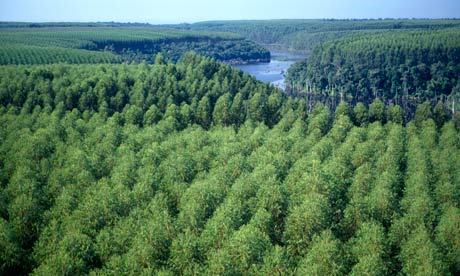
It is clear why monocultures arise. They are cultivated to meet the demands of masses, to increase efficiency and productivity.They also require close monitoring and standardization. Monoculture crops or intensive farming requires more chemical based pesticides and fertilizers to meet the productivity as these crops are not always indigenous to the soil that they are grown in. Not only for food but forest monocultures such as Eucalyptus and Acacia for industrial interests such as for paper-pulp, pose a threat to the water table and endanger other species that are dependent on natural forest cover.
Read this for more.
Failure of Monocultures.
One cannot overlook the vulnerability of a Monoculture. If the masses are dependent on the same forces for their needs, it makes them a target for political coercion and control. Monocultures have been associated with violence against the natural order. In agriculture as well as in cities, it is diversity that flourishes in its own capacity without intervention from external forces.
Drawing from the past, the
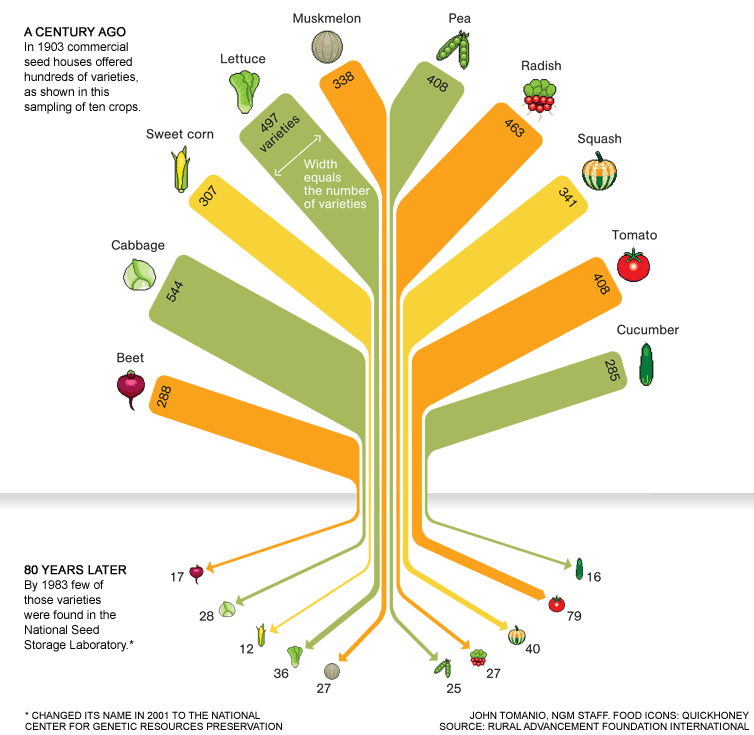
Irish Potato Famine of the 1840's and the Corn Blight Epidemic in the U.S.A. in 1970 that resulted in a loss of over a billion dollars, were both failures of Monocultures that resulted in crop failure, hunger and great financial losses. Neither of these historical instances served as a lesson for a mankind as monocultures continue to be planted in large areas of cultivable land. They are a severe threat to biological diversity as we slowly uproot varieties that naturally inhabit land to
replace them with a few species.

Genetically modified species pose the threat of monocultures at a more dangerous level. G.M. seeds in one culture are not only the same variety of crop but are genetically identical i.e. clones of each other. Each seed has the same level of resistance and compatibility, making them equally vulnerable to pests. Naturally occuring variety in crops allows a survival of the fittest, where certain plants that are more resistant to the disease / pest survive as a fall-back crop for the farmer.

In India, monoculture and G.M. farming has led to thousands of farmer suicides. The heavy debts and persistent crop failure on chemical dependent farming led to great losses for the farmers. The Bt Cotton plantations in Vidharbha was a horrifying example of how monocultures can lead to destruction, documented in P. Sainath's study and the movie
Nero's Guests. Yet, inorganic farming is seen as the most profitable and prevalent, being subsidized by the Government. There is
resistance from several farmers and organic farming in India is on the rise but the understanding of organic farming is very different from agro-biodiversity.
Mr. Bhaskar Save is one individual who identified the dangers of inorganic farming early and since the past 60 years has practiced farming based on cultivating diversity, as seen in
this documentary.
Here's a comparison of monocultures in cities and in agriculture and characteristics that affect both.
The important words have been highlighted.
In coming posts, we'll l
ook at how farming and consumption are moving towards organic and pro-biodiverse produce and how the shift from monocultures to biodiversity is gradual but possible.